From Vision to Execution: Recommendations for the Prime Minister’s Civil Service Reform Drive
 January 18th, 2026 |
  Author:
 In a high-stakes move to reform the country’s entrenched bureaucracy, Prime Minister Shehbaz Sharif on Wednesday ordered the swift development of bold recommendations for a comprehensive system to evaluate the performance of federal secretaries, signalling a major overhaul of the civil service. Stressing the urgency of reform, he said that aligning the civil service with international standards was no longer optional but essential for improving governance, adding that these sweeping changes were crucial to bringing the country’s civil administration in line with global best practices.
In this connection, given below are practical, implementable recommendations for the Prime Minister of Pakistan to ensure that his vision for bold, forward-looking civil service reforms is anchored in an AI-enabled performance evaluation system for federal secretaries, one that is credible, bias-resistant, and genuinely transformative, rather than yet another bureaucratic formality.
Below are practical, implementable recommendations for the Prime Minister of Pakistan to ensure that his vision for bold, forward-looking civil service reforms is anchored in an AI-enabled performance evaluation system for federal secretaries, one that is credible, bias-resistant, and genuinely transformative, rather than yet another bureaucratic formality.
1. Establish a Clear, AI-Ready Performance Framework (Before Technology)
Why it matters: AI cannot fix a flawed evaluation design. It only scales what already exists.
Recommendations:
Define 5–7 core performance pillars common to all federal secretaries, such as:
- Policy delivery & outcomes
- Budget utilisation efficiency
- Inter-ministerial coordination
- Reform implementation speed
- Public service impact (citizen-facing results)
- Integrity & compliance
Each pillar should have quantifiable indicators (KPIs) rather than narrative assessments.
Limit discretionary scoring to no more than 15–20% of total evaluation.
👉 This ensures AI works on measurable facts, not personal opinions.
2. Use AI as an “Evaluator of Evidence,” Not an Arbitrator of Power
Key Principle: AI should analyze data, not replace human accountability.
How to apply AI:
Feed AI systems with:
Cabinet decisions implementation timelines
- PSDP project completion data
- Audit reports (PAC, Auditor General)
- Budget absorption rates
- Parliamentary question response times
- Citizen complaint portals (PMDU, Pakistan Citizen Portal)
AI should:
Detect patterns of delays, inefficiencies, or improvements
Flag inconsistencies between reported and actual performance
Compare performance across ministries and over time
👉 AI evaluates evidence, while final decisions remain with elected leadership.
3. Bias Elimination Through Algorithmic Safeguards
To prevent political, regional, or personal bias:
Mandatory safeguards:
Blind scoring: AI evaluates anonymised performance data (no name, cadre, province).
Peer benchmarking: Performance compared only with secretaries managing similar-sized ministries.
Time-series analysis: Focus on improvement trajectory, not one-off outcomes.
Outlier detection: AI flags unusually high or low scores for independent review.
👉 This protects competent officers from victimisation and exposes underperformance.
4. Introduce 360° Performance Signals, Without Turning It into a Popularity Contest
Balanced inputs should include:
- Ministerial objectives (structured, not open-ended)
- Subordinate feedback (weighted lightly, anonymised)
- Inter-ministerial collaboration scores
- Independent data sources (audits, project dashboards)
AI role:
- Filter emotional or retaliatory feedback
- Identify recurring issues mentioned across multiple sources
- Ignore single-source complaints unless corroborated
👉 This avoids politicisation while still capturing ground realities.
5. Real-Time Dashboards for the Prime Minister’s Office
What the PM should see:
- Live performance dashboards of all federal secretaries
- Red/amber/green status on reform delivery
- Early-warning alerts for delayed flagship initiatives
- Comparative performance trends (quarterly and annual)
Why this is game-changing:
- Moves PM oversight from reactive to predictive
- Reduces dependence on selective briefings
- Makes performance discussions fact-based
6. Link Evaluation Outcomes to Clear Consequences
Without consequences, even the best AI system will fail.
Recommended actions:
Top 20% performers:
- Accelerated promotions
- Prestigious postings
- International training opportunities
Bottom 20% (after due process):
- Mandatory performance improvement plans
- Reassignment to less critical roles
- Early retirement options (where legally possible)
👉 Merit must be visible, and underperformance must have costs.
7. Independent AI Governance & Oversight Body
To build trust within the civil service:
Create an Independent Performance Evaluation Unit reporting directly to the PM
Include:
- AI experts
- Governance specialists
- Retired senior civil servants with reform credibility
Mandate annual algorithm audits to ensure:
- No systemic bias
- Transparency in scoring logic
- Compliance with law and service rules
8. Start with a Pilot, Then Scale Fast
Suggested approach:
- Pilot the system in 5 key ministries (Finance, Planning, Energy, Health, Commerce)
- Run parallel evaluations (traditional + AI) for 6 months
- Refine indicators before nationwide rollout
👉 Speed with credibility is better than rushed failure.
9. Communicate Reform as Protection for the Honest Officer
For success, narrative matters.
PM’s messaging should emphasise:
- AI protects officers from arbitrary decisions
- Performance, not connections, will define careers
- Reform is about empowerment, not punishment
👉 This will reduce resistance and win buy-in from competent officers.
Final Strategic Insight
If implemented correctly, an AI-enabled, bias-resistant evaluation system can become:
- The most powerful civil service reform since independence
- A lasting institutional legacy beyond any single government
- A model for provincial and SOE reforms
The key is not technology alone, but disciplined leadership, clear rules, and unwavering political will.
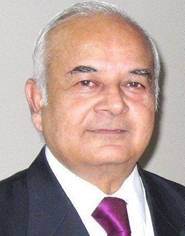
Syed Nayyar Uddin Ahmad
Lahore – Pakistan
+92 321 9402157
18th January, 2026
nayyarahmad51@gmail.com The writer is a senior corporate leader and strategic analyst. His thought-provoking visionary insights have reshaped global discourse, capturing the attention of world leaders. His writings have not only resonated with heads of state and governments but have also influenced the foreign policies of the United States and other major powers.
Proposal for Expediting the Placement of Skilled Pakistani Workforce in Gulf Countries and Other Developed Markets
Submitted for the kind consideration of the Prime Minister of Pakistan
Background
In line with the Prime Minister’s recent directives, as reported in the press, regarding the expedited placement of Pakistani manpower in Gulf countries, there is a compelling opportunity to fundamentally transform Pakistan’s economic outlook through a strategic shift from low-paid, unskilled labor export to high-value, certified skilled workforce export.
At present, millions of Pakistani expatriate workers are employed abroad at very low remuneration levels, primarily due to the lack of internationally recognized skills training and certification. This has constrained Pakistan’s remittance potential despite the large size of its overseas workforce.
Problem Statement
While Gulf and other developed countries have a severe shortage of skilled tradespeople, Pakistan exports predominantly low-skilled or semi-skilled labor, resulting in:
- Low wages for Pakistani workers abroad
- Underutilization of Pakistan’s young and capable workforce
- Missed opportunities for exponential growth in remittances
Highly paid and consistently in-demand trades abroad include:
- Culinary arts (chefs, bakers, food technologists)
- Plumbing and sanitary services
- Electrical and power technicians
- Nursing and allied healthcare services
- Automobile repair and diagnostics
- Hairdressing, beauty, and personal care services
These professions command multiple times higher salaries compared to general labor categories in Gulf countries, Europe, East Asia, and North America.
Strategic Opportunity
If Pakistan systematically trains and exports workers who are:
- Professionally skilled
- Certified by world-recognized institutions
- Aligned with international labor market requirements
then Pakistan can increase its annual remittances by more than USD 150 billion within the next three to four years, according to conservative projections based on wage differentials and demand trends.
Such an increase in remittances has the potential to:
- Stabilize foreign exchange reserves
- Reduce reliance on external borrowing
- Strengthen the Pakistani rupee
- Improve household incomes and poverty indicators
- Rapidly alter Pakistan’s economic landscape in a short timeframe
- Proposed Policy Measures
To achieve this objective, the following measures are proposed for immediate consideration and implementation:
1. National High-Value Skills Export Initiative
Launch a focused national program under NAVTTC/TEVTAs to prioritize highly paid international trades, particularly those in demand in Gulf countries.
2. International Certification Framework
Partner with world-recognized certification bodies (e.g., City & Guilds, Pearson, NVQs, international nursing councils, global hospitality institutes) to ensure Pakistani workers meet global standards.
3. Fast-Track Digital Skill Mapping
Leverage complete digitization and online monitoring (as already directed by the Prime Minister) to:
- Map skilled workers in real time
- Match them with overseas demand
- Track placement, wages, and performance
4. Ministry-Led Overseas Placement Drive
Direct the Ministry of Overseas Pakistanis and the Ministry of Foreign Affairs to:
- Secure government-to-government labor agreements
- Negotiate skill-specific quotas with Gulf states
- Promote Pakistan as a reliable supplier of certified skilled manpower
5. Apprenticeship and Industry Linkages
Ensure strict implementation of the Apprenticeship Law by linking training institutes with:
- Hotels, hospitals, workshops, and construction firms
- Domestic and international employers
6. Youth-Focused Skill Transformation
Target Pakistani youth with structured pathways from training → certification → overseas employment, reducing unemployment while maximizing national returns.
Expected Outcomes
If implemented with urgency and coordination, this strategy will:
Shift Pakistan from low-wage labor export to high-income skill export
- Multiply remittance inflows within 3–4 years
- Enhance Pakistan’s reputation as a skilled manpower hub
- Deliver rapid and sustainable economic gains
Conclusion:
Pakistan’s young workforce is rich in potential but under-leveraged. By emphasizing the export of trained, certified, and globally competitive skills, the Government of Pakistan can unlock unprecedented economic benefits in a very short time.
This proposal fully aligns with the Prime Minister’s vision of modernizing vocational training, accelerating overseas employment, and maximizing the value of Pakistani human capital.
Submitted with utmost respect for kind consideration and necessary directions.
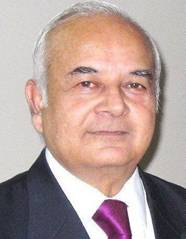
Syed Nayyar Uddin Ahmad
Lahore – Pakistan
+92 321 9402157
14th January, 2026
nayyarahmad51@gmail.com The writer is a senior corporate leader and strategic analyst. His thought-provoking visionary insights have reshaped global discourse, capturing the attention of world leaders. His writings have not only resonated with heads of state and governments but have also influenced the foreign policies of the United States and other major powers.
From Pakistan, With Love — To All Indians
New Year 2026 Greetings
As the new year 2026 unfolds, we extend our heartfelt wishes to the people of India for peace, stability, and prosperity. This message from Pakistan comes not as a gesture of weakness, nor as rhetoric, but as a confident appeal rooted in realism, dignity, and goodwill.
If friendship is to exist between our two nations, it must be sincere and meaningful, not symbolic, selective, or hypocritical. True friendship cannot flourish amid double standards, nor can peace endure where mistrust is cultivated as policy.
Pakistan today stands as a strong, resilient, and fully capable country, secure in its sovereignty and firm in its deterrence. This strength is not meant for aggression, but for stability. At the same time, the strategic reality of our region is undeniable: neither India nor Pakistan can conquer the other without inviting mutual destruction. Conflict between us promises no victor; only irreversible loss.
So why must we continue to exhaust our energies on imagined hatreds and inherited animosities? Why remain captives of a painful past when the future calls for wisdom, restraint, and vision?
Let this new year be a conscious moment of renewal.
Ring out the old, ring in the new,
Ring, happy bells, across the snow:
The year is going, let him go;
Ring out the false, ring in the true.
Let us choose genuine peace which must be grounded in mutual respect and strategic balance. Let fear give way to confidence, and provocation to dialogue. Let both nations feel secure enough to step back from perpetual confrontation and redirect their immense potential toward human progress.
Ring out the false pride of place and blood,
The civic slander and the spite;
Ring in the love of truth and right,
Ring in the common love of good.
Ring out old shapes of foul disease,
Ring out the narrowing lust of gold;
Ring out the thousand wars of old,
Ring in the thousand years of peace.
Let us fight the real enemies that plague our peoples with poverty, hunger, disease, ignorance, and inequality. Let us imagine a subcontinent known not as a nuclear flashpoint, but as a cradle of civilisation, commerce, culture, and compassion.
India and Pakistan need only a single uninterrupted decade of authentic and sustained peace to transform South Asia into one of the most powerful economic and cultural regions of the world. The condition is simple yet profound: peace must be genuine, consistent, and mutual; like the peace that binds today’s Europe.
Why should India and Pakistan continue to live like a divided Korea: eternally mobilised, mistrustful, and frozen in hostility? Why can we not live like a united Europe? Europe, once shattered by centuries of conflict and two world wars, chose reconciliation over revenge; and today reaps the dividends of peace, integration, and shared prosperity.
Both India and Pakistan are nuclear-armed states. War between us is not courage; it is collective suicide. Even the illusion of “limited war” is a dangerous fantasy. Any escalation risks destruction so vast that it would poison not only our lands, but the future of generations to come.
Peace, therefore, is not a concession. It is the highest form of strategic wisdom.
Disputes will remain; no neighbours are without differences. But civilisation advances when peace is given priority over provocation, and dialogue over dogma.
Let us make a new beginning with the simple and humane resolve:
Long live the friendship of the teeming millions of India and Pakistan.
With respect, confidence, and sincere hope for a peaceful and prosperous year ahead.
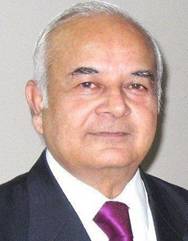
Syed Nayyar Uddin Ahmad
Lahore – Pakistan
+92 321 9402157
1st January, 2026
nayyarahmad51@gmail.com The writer is a senior corporate leader and strategic analyst. His thought-provoking visionary insights have reshaped global discourse, capturing the attention of world leaders. His writings have not only resonated with heads of state and governments but have also influenced the foreign policies of the United States and other major powers.
Suggestion to the Prime Minister of Pakistan for an Urgent OIC Summit Meeting in Pakistan
The Honourable Prime Minister
Islamic Republic of Pakistan
Islamabad
Respected Prime Minister,
Wishing you, your family and your team members a very happy, prosperous and successful new year 2026.
By the Grace of Allah Almighty and the unparalleled sacrifices of our martyrs, Pakistan today stands at the zenith of its diplomatic and military stature. Its global standing, credibility, and respect, particularly among Islamic nations, are at one of the strongest points in its history. Pakistan is widely regarded as a responsible, resilient, and principled state, possessing the moral and military authority and strategic capacity to play a leading role in shaping regional and global discourse.
This favorable moment places Pakistan in a unique and historic position to assume moral and strategic leadership of the Ummah, and to guide Muslim nations towards greater unity, cooperation, and collective strength in addressing shared political, economic, and security challenges.
In view of this exceptional opportunity, it is respectfully suggested that Prime Minister Mian Muhammad Shahbaz Sharif consider taking a bold and visionary step by convening an Islamic Summit of Muslim leadership in Pakistan in early 2026. Hosting such a summit would not only reinforce Pakistan’s leadership role within the Islamic world, but also provide a vital platform for meaningful dialogue on unity, economic collaboration, conflict resolution, and the collective future of the Ummah.
Particular emphasis may be placed on longstanding and urgent issues, including the just resolution of the Palestine question with the establishment of an independent State of Palestine with Al-Quds Al-Sharif (Jerusalem) as its capital, as well as the grant of the inalienable right of self-determination to the Kashmiri people living under Indian occupation. Timely collective action is especially critical in light of ongoing nefarious efforts of the Indian government to alter the demographic and political realities of Indian Illegally Occupied Jammu and Kashmir (IIOJ&K).
It is sincerely hoped that the above suggestion will be given due and timely consideration in the larger national interest and for the collective good of the Ummah. The present moment offers a rare convergence of diplomatic credibility, international goodwill, and strategic relevance for Pakistan. In the realm of diplomacy and international geopolitics, timing is everything, and decisive leadership at this juncture could yield historic and enduring outcomes for Pakistan and the Muslim world alike.
With the highest respect and kindest regards,
Yours truly,
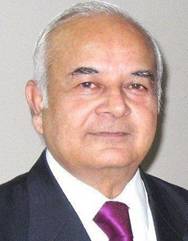
Syed Nayyar Uddin Ahmad
Lahore – Pakistan
+92 321 9402157
31st December, 2025
nayyarahmad51@gmail.com The writer is a senior corporate leader and strategic analyst. His thought-provoking visionary insights have reshaped global discourse, capturing the attention of world leaders. His writings have not only resonated with heads of state and governments but have also influenced the foreign policies of the United States and other major powers.
How to Win Hearts and Minds Without War
A New Doctrine of Peace for Afghanistan and Pakistan.
History repeatedly teaches a painful lesson: peace imposed by power is temporary, but peace rooted in conscience is permanent. This truth is not only political wisdom; it is also a Qur’anic principle. The Holy Qur’an reminds us:
“And reconciliation is best.” (Qur’an 4:128)
For more than four decades, Afghanistan and Pakistan, two brotherly nations bound by geography, faith, bloodlines, culture, and shared suffering; have attempted to resolve disputes through conventional diplomacy, security-centric policies, and external mediation. These efforts, both formal and informal, have largely collapsed or failed to deliver sustainable peace.
This failure demands not another tactical adjustment, but a paradigm shift.
What is required today is not the art of war, but the Art of Peace: a new doctrine rooted in indigenous wisdom, Islamic ethics, and collective conscience.
The Collapse of Conventional Diplomacy
Traditional diplomatic channels between Afghanistan and Pakistan have reached an impasse. High-level talks, border mechanisms, security dialogues, and third-party interventions have repeatedly broken down under mistrust, power asymmetry, regional interference, and conflicting strategic doctrines.
Diplomacy conducted exclusively through state bureaucracies has failed because it overlooks a fundamental reality this conflict is not merely political but, it is social, tribal, religious, and historical, as well.
Islam itself cautions against hollow agreements devoid of moral substance. The Prophet Muhammad ﷺ warned that justice without sincerity cannot endure, and history affirms this wisdom.
When peace is negotiated only by elites and enforced through coercive instruments, it lacks legitimacy at the grassroots level. Such peace remains fragile, transactional, and reversible.
The present moment marks a rare historical juncture where both nations must acknowledge an uncomfortable truth: the old tools cannot repair a broken moral order.
The Art of Peace: A New Doctrine
The Art of Peace is a doctrine that rejects coercion as the foundation of stability and replaces it with conscience, legitimacy, and collective ownership. It is inspired not by foreign conflict-resolution models, but by the Islamic tradition of Sulh (reconciliation), Pashtunwali, and tribal consensus-building (Jirga).
The Qur’an commands:
“If two groups of believers fight, make peace between them.” (Qur’an 49:9)
This verse does not delegate reconciliation to power alone—it entrusts it to believers of moral standing.
Core Principle:
Peace is not an agreement between states alone, it is a covenant between peoples, witnessed by God. This doctrine proposes a Combined Council of Tribal and Religious Elders from both Afghanistan and Pakistan as:
- Primary Negotiators
- Moral Guarantors
- Custodians of Peace
Why Tribal and Religious Elders?
Across the Afghan–Pakistani belt, tribal elders and respected religious scholars command something no state institution can manufacture: moral authority and social legitimacy. Islam has historically recognized the role of Ahl al-Hall wal-‘Aqd (or Ahl al-Halli wal-‘Aqd) means those with wisdom, trust, and authority; to guide society during crises. These figures:
Understand local grievances better than distant diplomats. Speak the language of honor, faith, and reconciliation. Can enforce peace not through force, but through moral accountability and communal obligation.
The Prophet Muhammad ﷺ said:
“The believer is the one from whose tongue and hand people are safe.” (Hadith)
Historically, when tribal consensus was achieved in this region, borders were calm; even without fences, checkpoints, or surveillance regimes.
Structure of the Proposed Peace Mechanism
1. Joint Council of Elders (JCE)
A balanced, representative body of:
- Tribal elders from border regions
- Respected religious scholars (ulema)
- Neutral moral figures trusted across divides
This council would be independent of daily politics, yet grounded in Islamic ethics and protected lawfully by both states.
2. Mandate of the Council
Address all bilateral disputes (border tensions, refugee issues, militancy narratives, trust deficits); conduct dialogue grounded in Qur’an, Sunnah, and tribal customs and issue binding moral verdicts endorsed by both governments.
The Qur’an commands justice even between rivals:
“Do not let the hatred of a people prevent you from being just. (Qur’an 5:8)
Their decisions would not replace state sovereignty, but, anchor it in legitimacy and divine accountability.
3. Dual Guarantee System
Moral Guarantee by elders and religious leaders, political guarantee by the governments of Pakistan and Afghanistan wherein, any violations of peace would be treated not only as political breaches, but as moral transgressions (zulm): a concept Islam condemns unequivocally.
Winning Hearts and Minds Without War
Wars may defeat enemies, but they never win hearts. Hearts are won when people feel heard, respected, and protected.
The Prophet ﷺ conquered Makkah not through vengeance, but through forgiveness by declaring:
“Go, for you are free.”
This doctrine recognizes that security comes after trust, not before it. Stability emerges from dignity, not domination, peace must grow from within societies, not be imposed from above.
Winning hearts and minds mean ending the cycle of suspicion, where every incident is viewed as hostility and every border issue becomes a trigger.
Beyond Peace: A Vision of Confederation
If Pakistan and Afghanistan choose peace; not tactically, but ethically and spiritually, they unlock historic possibilities.
Islam encourages unity:
“Indeed, this Ummah of yours is one Ummah.” (Qur’an 21:92)
A future Pak-Afghan Confederation, even in a loose form, could:
- Enable shared economic corridors
- Harmonize border management
- Reduce external manipulation
- Create a unified regional moral and political voice
Such a confederation would not erase sovereignty, but strengthen it through cooperation and mutual trust.
A Message to Leadership
To the leadership of Pakistan and Afghanistan:
This is not a call for retreat, nor an appeal to weakness. It is a call for strategic wisdom guided by faith.
Islam teaches that strength lies not in domination, but in justice.
Power can silence guns, but only conscience can silence hatred.
The Art of Peace does not abandon the state but, it completes it by reconnecting governance with the moral soul of the people. History will not remember how many operations were conducted or fences erected. It will remember who dared to choose reconciliation when retaliation was easier.
Conclusion:
The failure of formal and informal diplomacy has made this new doctrine not optional, but necessary. Afghanistan and Pakistan stand at a crossroads: continue repeating exhausted strategies, or pioneer a peace rooted in their own faith, traditions, and moral authority.
The choice is stark but, hopeful.
Peace imposed by power is temporary. Peace rooted in conscience and guided by faith; is permanent.
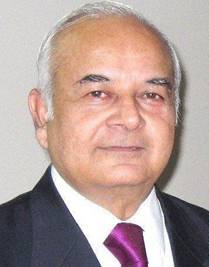
Syed Nayyar Uddin Ahmad
Lahore – Pakistan
+92 321 9402157
20 December, 2025
nayyarahmad51@gmail.com The writer is a senior corporate leader and strategic analyst. His thought-provoking visionary insights have reshaped global discourse, capturing the attention of world leaders. His writings have not only resonated with heads of state and governments but have also influenced the foreign policies of the United States and other major powers.
There Was a Need for a Pakistan–Afghanistan Confederation, but How?
The idea of a Pakistan–Afghanistan Confederation has surfaced multiple times throughout South Asian and Central Asian history.
Though it never materialized, the concept reflected a deeper geopolitical, ethnic, economic, and security-driven logic.
Understanding why such a confederation was proposed and how it could theoretically have been achieved; offers important lessons for future regional cooperation.
1. Historical Context: Why the Idea Emerged
1.1 Shared Geography and Ethnic Linkages
Pakistan and Afghanistan share:
a 2,600 km border,
deep Pashtun ethnic ties,
overlapping tribal regions,
ancient trade routes along the Silk Road.
These connections created a natural cultural and commercial proximity that, at times, encouraged political imagination about a joint bloc.
1.2 Soviet Invasion and Cold War Dynamics
During the 1980s, the Soviet invasion of Afghanistan destabilized the region. Some policymakers in Islamabad floated the idea of a loose political or security confederation that could:
counter Soviet influence,
manage refugee flows,
and integrate Afghan resistance groups into a regional strategic framework.
1.3 Security and Strategic Depth Arguments
Pakistan sought strategic depth against India, while Afghanistan needed economic and military support. A confederation appeared to be a win-win proposition to some strategists:
Afghanistan would gain a powerful ally,
Pakistan would gain geographical depth and influence.
1.4 Economic Interdependence
Afghanistan is landlocked and relies heavily on Pakistani ports. Pakistan benefits from Afghan transit trade and access to Central Asian markets. A political or economic confederation could theoretically:
streamline cross-border trade,
boost infrastructure projects,
enable energy corridors (TAPI pipelines, CASA-1000),
and reduce smuggling and informal trade losses.
2. Why the Confederation Never Happened
2.1 Afghan Sovereignty Sensitivities
Afghanistan has a strong historical identity and has resisted foreign dominance for centuries. A confederation was often perceived as:
a threat to Afghan sovereignty,
a disguised Pakistani attempt to influence Afghan politics.
2.2 Durand Line Dispute
The unresolved Durand Line issue, wherein Afghanistan was refusing to recognize the current border; created mistrust. A confederation without a settled border was politically unrealistic.
2.3 Pakistan–India Rivalry
Regional geopolitics complicated the idea:
Afghanistan historically had closer ties with India,
Pakistan feared being encircled by Indo-Afghan alignment, Afghanistan feared becoming a pawn in the Indo-Pak rivalry.
2.4 Political Instability
Both nations faced internal instability:
Afghanistan experienced coups, civil war, warlordism, Taliban rule, and foreign interventions.
Pakistan has navigated its own cycles of military rule, political turbulence, and ethnic tensions.
A confederation requires internal political cohesion; something neither state possessed simultaneously.
3. Was There a Real Need for It?
3.1 Shared Security Challenges
Both countries faced:
militancy,
cross-border terrorism,
drug trafficking,
illegal arms flows.
A joint governance structure might have enabled synchronized policies.
3.2 Economic Complementarity
Pakistan’s industries and ports complement Afghanistan’s natural resources and strategic location. A confederation could have unlocked:
joint rail connectivity,
integrated energy markets,
cooperative water management,
coordinated trade policy across Central and South Asia.
3.3 Regional Power Balancing
A confederation could have:
enhanced negotiating power with India,
reduced reliance on global superpowers,
allowed both nations to act as a unified bridge linking South Asia, Middle East, and Central Asia.
4. How Could Such a Confederation Have Worked?
4.1 A Confederation, not a Merger
A realistic model would resemble:
the European Union, or
the United Arab Republic (Egypt–Syria),
not a full political unification.
4.2 Step 1: Confidence-Building Measures
Before any formal structure:
Recognize the Durand Line through mutual agreement.
Establish joint security commissions.
Facilitate cross-border trade transparency.
Reduce hostile propaganda and distrust.
4.3 Step 2: Economic Integration
A confederation must first be economic:
free trade zones,
joint customs protocols,
shared infrastructure funds,
transit trade modernization.
4.4 Step 3: Defense and Security Coordination
Mutual defense and security mechanisms:
joint border monitoring,
anti-terror intelligence sharing,
coordinated counter-narcotics operations.
4.5 Step 4: Political Framework
A confederation could be structured as:
two sovereign states,
with a joint council for economic, defense and strategic decisions,
rotating leadership,
and shared institutions (transport, energy, trade).
This model preserves sovereignty while building unity.
5. Modern Possibility: Can It Still Happen?
Today, a full confederation remains unlikely due to:
political sensitivities,
new power dynamics in post-2001 and post-2021 Afghanistan,
external influence (US, India, Russia).
However, partial confederation-like cooperation is still feasible through:
regional economic blocs,
China-led Belt and Road connectivity,
SCO-based security collaboration,
energy and trade corridors.
Ultimately, the spirit of a confederation—coordination, not merger—remains relevant.
6. Conclusion
The idea of a Pakistan–Afghanistan Confederation reflected a strategic logic rooted in geography, shared challenges, and economic interdependence. Although a formal confederation looked a far-fetched suggestion, the underlying idea still offers valuable lessons: peace, stability, and prosperity in the region require cooperation rather than rivalry.
The question is no longer whether a confederation should happen, but how both countries can adopt confederation-like frameworks to secure a stable future. In this context, the Pakistani leadership may directly pursue the proposed confederation between Afghanistan and Pakistan through several influential Pakistani figures who are held in high regard by the most powerful authority within the Afghan Taliban, Amir-ul-Mumineen Sheikh Haibatullah Akhundzada, a Noorzai Durrani Pashtun from the Tareen sub-tribe.
If Pakistan and Afghanistan succeed in establishing a joint confederation, it would be a game changer of the highest magnitude—bringing unprecedented peace, development, and prosperity to nearly 300 million people in the two brotherly nations, with far-reaching ramifications for the entire South Asian region.
Therefore, the Pakistani leadership must not be discouraged by the challenges of bringing the two brotherly nations closer. They should remember that the real failing lies not in setbacks but in setting ambitions too low. To achieve what seems impossible, one must be willing to think beyond the bounds of the imaginable.
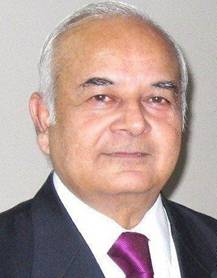
Syed Nayyar Uddin Ahmad
Lahore – Pakistan
+92 321 9402157
24 November, 2025
nayyarahmad51@gmail.com The writer is a senior corporate leader and strategic analyst. His thought-provoking visionary insights have reshaped global discourse, capturing the attention of world leaders. His writings have not only resonated with heads of state and governments but have also influenced the foreign policies of the United States and other major powers.
Rising Suicides Amid IMF Loans: Pakistan’s Socioeconomic Alarm
The task of the leader is to get his people from where they are to where they have not been. Henry A. Kissinger
The Honorable Prime Minister of Pakistan
Mian Muhammad Shehbaz Sharif
Prime Minister’s Office
Islamabad
Subject: Formation of a National Committee to Address Socioeconomic Consequences of IMF Programs and Austerity Policies which are Resulting in Increase of Poverty in Pakistan
Respected Prime Minister,
I wish to bring to your kind attention international recent research highlighting the grave social implications of economic adjustment programs associated with International Monetary Fund (IMF) lending and austerity measures.
Peer-reviewed studies, such as Goulas & Zervoyianni (2016, Social Science & Medicine) have empirically established that participation in IMF lending programs is linked with a statistically significant rise in national suicide rates, particularly among working-age men. Complementary research, including Antonakakis & Collins (2015), finds that fiscal austerity measures, often implemented under structural adjustment frameworks, lead to sustained increases in suicide mortality across affected populations.
These findings underscore the urgent need to adopt an economic policy framework that safeguards both fiscal stability and public welfare. While the support of international financial institutions can be valuable, the conditionalities attached, particularly excessive taxation, subsidy withdrawal, and spending cuts, can intensify social distress and economic stagnation if not locally contextualized.
It is deeply concerning that, due to the stringent taxation and fiscal policies dictated by lending agencies, Pakistan’s poverty levels have been rising alarmingly rather than declining. According to the World Bank’s newly revised international poverty line, Pakistan’s poverty rate has increased from 39.8% to 44.7%, meaning that nearly half of the population now lives below this threshold which is a stark indicator of the urgent need for homegrown and humane economic reforms.
In light of this evidence, it is respectfully proposed that the Federal Government constitute a high-level Committee or Commission under the Chairmanship of Dr. Ikram ul Haq, Advocate Supreme Court of Pakistan, a distinguished international taxation expert and economist. Dr. Ikram ul Haq has consistently emphasized the need to rationalize Pakistan’s taxation system, reduce unproductive and exorbitant tax rates, and broaden the revenue base through equitable, transparent, and growth-oriented reforms.
To ameliorate the back-breaking impact on the salaried class, which remains the biggest sufferer of some of the world’s highest tax rates on salary income, and to provide immediate and highly substantial relief to the unemployed and jobless population, such a reform initiative is both timely and imperative.
The proposed Committee may be tasked with:
1. Reviewing the socioeconomic effects of Pakistan’s participation in IMF programs;
2. Assessing the human and mental-health costs of prolonged austerity policies;
3. Formulating a comprehensive reform plan to revive economic activity, enhance tax compliance, and reduce dependency on external borrowing;
4. Recommending practicable policy actions to achieve sustainable, inclusive, and self-reliant economic growth directly and personally under the Prime Minister of Pakistan.
Given Pakistan’s current challenges, such a proactive and humane approach could provide the country with the jump start needed to restore public confidence, stimulate enterprise, and move decisively toward the vision of a prosperous, sovereign, and debt-free Pakistan.
I therefore humbly request your kind attention and direction for the immediate constitution of the above-mentioned Committee/Commission, and that, upon due consideration and approval of its recommendations, their implementation be authorised under the framework of Economic Emergency Regulations to ensure timely and effective execution of the proposed reforms.
With highest regards and prayers for your continued success in the service of our nation,
Yours sincerely,
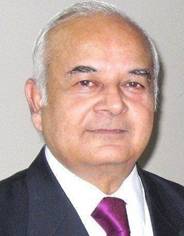
Syed Nayyar Uddin Ahmad
Lahore – Pakistan
+92 321 9402157
31 October, 2025
nayyarahmad51@gmail.com The writer is a senior corporate leader and strategic analyst. His thought-provoking visionary insights have reshaped global discourse, capturing the attention of world leaders. His writings have not only resonated with heads of state and governments but have also influenced the foreign policies of the United States and other major powers.
A Proposal for a Flagship Governance Initiative in Terrorism-Free Baluchistan:
His Excellency Mian Muhammad Shehbaz Sharif
Honourable Prime Minister
Islamic Republic of Pakistan
Subject: Proposal for a Flagship Governance Initiative in Baluchistan: Breaking the Chains: A Governance Model for a Corruption-Free, Terrorism-Free and People-Centered Pakistan
Your Excellency,
Your inspiring vision shared over media on 25th October 2025, that “the development of Baluchistan is inextricably linked to the prosperity of Pakistan” has rekindled hope across the nation. Indeed, no country can rise unless it uplifts its most neglected and forgotten regions and ensures peace, justice and opportunity for all.
Baluchistan, despite its immense strategic importance and natural wealth, has long faced challenges of distance, deprivation, and fragile governance. These gaps have unfortunately provided space for instability and terrorism to take root. Yet, as your leadership has always proven, no challenge is insurmountable when met with decisive action, compassion, and a people-first development strategy.
In this spirit, I humbly seek your kind attention toward a transformative national initiative titled:
“Breaking the Chains: A Governance Model for a Corruption-Free, Terrorism-Free and People-Centered Pakistan.”
This framework, designed as a practical and action-oriented blueprint, can be launched as a pilot project under your direct supervision in selected remote districts of Baluchistan. With your personal ownership as a flagship national model, it aims to:
✅ Establish clean, transparent, and accountable governance
✅ Eliminate corruption, the root cause of injustice and public resentment
✅ Provide a terrorism-free environment through development-led peace
✅ Deliver fast-track public services to marginalized communities
✅ Generate dignified livelihood opportunities and local economic revival
✅ Restore public trust in the state through visible service delivery
✅ Strengthen internal security by addressing deprivation and alienation
✅ Create a model of governance that can be replicated nationwide
This initiative goes beyond development; it is a mission of national cohesion, human dignity, and durable peace. It embodies your long-held belief that good governance and justice are the strongest weapons against terrorism and extremism.
Complete details of the proposal are available at the following link:
🔗
[https://www.snayyar.com/breaking-the-chains-a-governance-model-for-a-corruption-free-and-people-centered-pakistan.html]
With your visionary guidance and relentless energy, this initiative can become a historic milestone, transforming the lives of forgotten Pakistanis in remote Baluchistan and paving the way for a prosperous, corruption-free and terrorism-free Pakistan.
May Almighty Allah grant you strength and success in your tireless efforts to uplift millions of deserving Pakistanis living below the poverty line.
With profound respect,
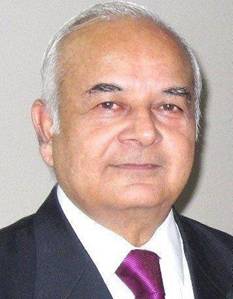
Syed Nayyar Uddin Ahmad
Lahore – Pakistan
+92 321 9402157
26 October, 2025
nayyarahmad51@gmail.com The writer is a senior corporate leader and strategic analyst. His thought-provoking visionary insights have reshaped global discourse, capturing the attention of world leaders. His writings have not only resonated with heads of state and governments but have also influenced the foreign policies of the United States and other major powers.
Proposal for Establishing Pakistan’s First Futuristic Tourism City — Diamond Coast at Kund Malir
His Excellency Mr. Shahbaz Sharif
اسلام وعلیکم
In line with your maximum emphasis on bringing Foreign Direct Investment in Pakistan, I have developed an idea of building a futuristic tourism city at Kund Malir (236 KM from Karachi) with the name of Diamond Coast (like Gold Coast in Australia) at Makran Coastal Highway # 10, which place has unique natural beauty much better than Mauritius and Seychelles.
In this regard, you are requested to personally take up the funding needs of this amazing tourism project with the top leadership of the KSA, Qatar, UAE, Oman, Bahrain, Turkey, Malaysia, Indonesia, Bangladesh, Singapore and China to make it the world’s best, most attractive and amazing city with all the futuristic sports, tourism and satellite security facilities which will create jobs for about a million people from all around the world.
The details of the write for the above project are provided at the below given link:
I hope you will own it as your flagship project to be remembered by the coming generations as the greatest monument of Pakistan.
With best regards,
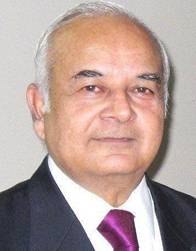
Syed Nayyar Uddin Ahmad
Lahore – Pakistan
+92 321 9402157
9 October, 2025
nayyarahmad51@gmail.com The writer is a senior corporate leader and strategic analyst. His thought-provoking visionary insights have reshaped global discourse, capturing the attention of world leaders. His writings have not only resonated with heads of state and governments but have also influenced the foreign policies of the United States and other major powers.
An Open Letter to Syed Mohsin Naqvi!
Dear Syed Mohsin Naqvi,
السلام علیکم
I salute you for your bold and patriotic stand in the recent ACC meeting. Your categorical decision that the Asia Cup trophy and medals will only be handed over if the Indian captain himself appears before you at the ACC Chairman’s office in the UAE, was a powerful message of dignity and national pride. Such clarity and courage is exactly what Pakistan expects from its leadership.
In this context, the matter can not be left halfway. After the deliberate and false propaganda spread by the Indian media regarding a so-called apology, it is now the duty of the Indian ACC representative, Rajeev Shukla, to issue an unequivocal denial of this fabricated news. Unless such a denial is made public, the trophy and medals must remain withheld. Pakistan must not allow baseless lies to be rewarded with ceremony.
Moreover, the PCB must act immediately to protect and enhance Pakistan’s prestige on the global stage. Our women’s cricket team, currently participating in the ongoing Women’s World Cup, must be instructed to refuse any joint photographs, handshakes, or unnecessary interactions with Indian officials and players. This clear stance will send a strong message: Pakistan does not compromise on self-respect, national honour, or truth in the face of malicious propaganda.
Your leadership has already set the right tone. Now, it must be followed through with firm action until the Indian side is compelled to retract its lies and show due respect.
With the highest regards,

Pakistan Zindabad!
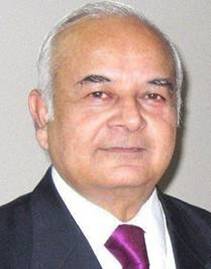
Syed Nayyar Uddin Ahmad
Lahore.
+92 321 9402157
The author is a senior corporate leader and strategic analyst. His thought-provoking visionary insights have reshaped global discourse, capturing the attention of world leaders. His writings have not only resonated with heads of state and governments but have also influenced the foreign policies of the United States and other major powers.