From War to World Stage
 August 12th, 2025 |
  Author:
 Introduction: A Defining Moment
Pakistan stands at the most strategic inflection point since its founding. With relations with the United States at their strongest in decades, close cooperation with all other permanent members of the UN Security Council (UNSC), and unparalleled strategic depth following the decisive events of May 2025, Pakistan now possesses the leverage to advance peace in South Asia, secure overdue global recognition, and embark on a path to economic transformation.
1. Pakistan’s Historic Role in Global Diplomacy
Pakistan has not merely been a regional player; it has been a pivotal architect of global history.
- Opening US–China Relations: In the early 1970s, Pakistan acted as the crucial bridge enabling President Nixon’s historic outreach to Chairman Mao, a step that reshaped the Cold War and global trade architecture.
- Sacrifices During the Soviet–Afghan War: From 1979 to 1989, Pakistan bore the brunt of the struggle against Soviet occupation in Afghanistan, sheltering millions of refugees and sustaining enormous economic and social pressures.
- War on Terror: For over 20 years after 9/11, and particularly following the NATO withdrawal from Afghanistan in 2021, Pakistan fought terrorism largely alone, sustaining immeasurable losses in lives, infrastructure, and opportunity costs. The West, and the world at large, owe Pakistan not just gratitude but tangible recompense.
2. Post-May 2025: Strategic and Military Supremacy
- The clear and tangible victory of Pakistan in the four-day May 2025 war against India has fundamentally reshaped the military balance of Asia.
- Now, Pakistan stands as the second most powerful nuclear military force in the entire Asian continent, from the shores of New Zealand to the borders of Israel, second only to China.
- This unprecedented position provides Pakistan with the credibility, deterrence, and diplomatic leverage to push forward its security and peace agenda while reassuring the world of its responsible nuclear stewardship.
3. The Case for Comprehensive Debt Relief
Given Pakistan’s decades-long sacrifices for global security, the following measures are not favours, but overdue obligations:
- 100% Write-off of All International Loans owed by Pakistan to multilateral and bilateral creditors.
- Settlement of Domestic Debt through contributions from the world’s wealthiest economies, using international stabilization funds.
- Debt-for-Development Conversion: Direct investment of equivalent amounts into infrastructure, education, technology, and health to turn Pakistan into an economic powerhouse within a decade.
This would not only stabilize Pakistan’s economy but also ensure global security by removing the root causes of instability.
4. Renewed Push for Kashmir Peace and Plebiscite
Kashmir remains the unfinished agenda of the Indian partition from the post-colonial era and the most dangerous nuclear flashpoint in Asia. With Pakistan’s diplomatic standing at its peak:
- A new UNSC resolution should be sought to set a binding timetable for a UN-supervised plebiscite.
- The UN, OIC, and key permanent members must act as guarantors to ensure peace during the process.
- A UN Special Envoy for Kashmir should be appointed to monitor progress and report quarterly to the UNSC.
5. Economic and People-to-People Connectivity with the U
A revitalized Pakistan–US partnership must translate into tangible benefits:
- Immediate removal of restrictive US visa policies for Pakistani students, professionals, and businesspersons.
- Direct Pakistani Airlines flights to major US cities, promoting trade, tourism, and cultural exchange.
- Joint technology and manufacturing corridors to integrate Pakistan into US-led supply chains.
6. Strategic Recognition: Permanent UNSC Membership
Pakistan’s unique qualifications make it a natural candidate for UNSC reform:
- Only nuclear-armed member of the OIC, with proven strategic restraint.
- Second-strongest military in Asia, now proven on the battlefield, after China.
- Bridging role between the Islamic world, the West, and Asia.
7. Building a Peaceful and Prosperous South Asia
Lasting regional peace requires Pakistan’s leadership in:
- A South Asian Peace and Development Forum under UN auspices.
- Nuclear risk-reduction and military transparency mechanisms with regional neighbours.
- Regional connectivity projects linking Central Asia to global markets via Pakistan’s ports.
Conclusion: The Time for Action is Now
Pakistan’s role in shaping modern history from opening the door to US–China relations, to bearing the human and economic burden of wars that secured Western and global security, to achieving a decisive victory in May 2025, cannot be ignored any longer.
The world must now recognize Pakistan’s sacrifices with debt remission, economic investment, and political recognition. This is not charity; it is the repayment of a debt owed.
In return, Pakistan will use its strengthened position to resolve the Kashmir issue, stabilize South Asia and the Middle East, and become a driver of global peace and prosperity in the decades ahead.
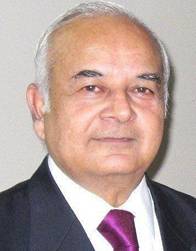
Syed Nayyar Uddin Ahmad
Lahore – Pakistan
+92 321 9402157
nayyarahmad51@gmail.comThe writer is a senior corporate leader and strategic analyst. His thought-provoking visionary insights have reshaped global discourse, capturing the attention of world leaders. His writings have not only resonated with heads of state and governments but have also influenced the foreign policies of the United States and other major powers.
Leave a Reply