🌍 Global Emergency Appeal Letter on Plastic Pollution
 August 17th, 2025 |
  Author:
 To:
Every Citizen of Earth 🌍
H.E. António Guterres, Secretary-General of the United Nations
H.E. President of the United Nations General Assembly
Heads of G20, G7, and SCO nations
Leaders of the African Union (AU) and Organization of Islamic Cooperation (OIC)
United Nations Environment Programme (UNEP)
World Health Organization (WHO)
UNESCO (United Nations Educational, Scientific and Cultural Organization)
World Bank and International Monetary Fund (IMF)
Global human rights and advocacy organizations: Human Rights Watch (HRW) and Amnesty International
World Economic Forum (Davos)
Nobel Prize Committee
Major international environmental NGOs (Greenpeace, WWF)
And all world leaders, parliaments, scientific communities, media organizations, and people of conscience everywhere
Subject: Global Emergency Appeal to Save Humanity from Plastic Poison Pollution
Excellencies, Esteemed Leaders, and Fellow Citizens of Earth,
I write to you with deep urgency on behalf of humanity and future generations. Our planet is facing a silent catastrophe more deadly than many wars and more enduring than any pandemic: the unchecked spread of plastic pollution.
Every human being, every animal, every ocean, every river is now contaminated with plastic poison. Scientific studies reveal that a single cup of tea brewed in a plastic-infused teabag releases up to 14 billion microplastic particles into the human body. Bottled water carries trillions of microplastics. These particles now exist in our lungs, blood, placenta, and even brains.
This is not waste alone — this is toxic infiltration of life itself, a slow march toward extinction.
Why Plastic Pollution is the “New Carbon Crisis”
Plastics are fossil fuel derivatives; their production fuels climate change.
Unlike CO₂, plastics do not dissolve or decay — they accumulate endlessly, poisoning food chains.
Microplastics in oceans now outnumber plankton which are the foundation of the marine food web and phytoplankton produce around 50% of the world’s oxygen and also help regulate the global carbon cycle by absorbing CO2, threatening the base of marine life.
Toxic additives in plastics are linked to cancers, infertility, hormonal disruption, and developmental disorders.
The poorest nations bear the heaviest burden, as plastic waste from the wealthy world is dumped upon them.
This is nothing less than an existential crisis for life on Earth.
Immediate Global Call to Action
I respectfully urge the United Nations, global leaders, and all citizens of Earth to adopt the following measures without delay:
1. Global Awareness
Every TV news bulletin, every newspaper front page, in every local language, must carry the daily warning:
“Plastic is deadly poison for every living being.”
International organizations should fund mass education campaigns equating plastic pollution with tobacco and asbestos.
2. Universal Labeling
All plastic products (including teabags, food packaging, and microplastic-containing cosmetics) must bear bold warning labels, similar to cigarette packs:
“This product contains deadly plastic that poisons humans and nature.”
3. Global Plastic Reduction Treaty
Negotiate a legally binding global treaty, modeled on the Paris Climate Agreement, with strict targets for reducing production of virgin plastics.
Impose global bans on the most harmful single-use plastics (EPS foam/thermopole, plastic straws, microbeads, non-recyclable sachets).
4. Plastic Credit System
Establish a Plastic Credit Mechanism, akin to carbon credits, where every kilogram of plastic removed from oceans, rivers, or landfills is certified and tradable.
Incentivize communities, especially in developing nations, to collect and recycle plastic waste, turning pollution into livelihood opportunities.
5. Innovation & Alternatives
Massive funding for research into biodegradable, plant-based packaging.
Tax incentives for industries shifting to circular economy models.
A global prize (like a “Nobel Prize for Earth Protection”) to honor individuals or institutions making groundbreaking contributions against plastic pollution.
6. Citizen Responsibility
Empower citizens to act:
- Avoid bottled water unless absolutely necessary.
- Replace plastic bags with cloth or biodegradable alternatives.
- Pressure companies and governments to act, as was done successfully with tobacco and ozone-depleting CFCs.
- Make it compulsory in the school curriculum to educate young children about the harmful effects of plastic pollution and practical ways to reduce or avoid its use in daily life.
Special Appeal to the Nobel Committee
I urge the Nobel Committee to create a Nobel Prize for Earth Protection, to honor pioneers working to save humanity from plastic poison. Such recognition would elevate this crisis to the moral and scientific urgency it demands.
Conclusion
Plastic pollution is not a future threat; it is a current mass poisoning event. If unchecked, it will render our planet uninhabitable long before climate change alone could do so.
This is a defining test for humanity: whether we act together to protect life itself or allow convenience and negligence to become our epitaph.
I appeal to your conscience, leadership, and responsibility toward future generations. Let us act today, together, decisively, and urgently, to rid our Earth of plastic poison.
With highest respect and deepest urgency,
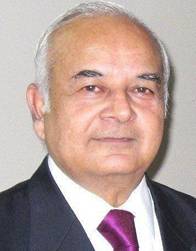
Syed Nayyar Uddin Ahmad
Citizen of Earth 🌍
Lahore – Pakistan
+92 321 9402157 nayyarahmad51@gmail.com The writer is a senior corporate leader and strategic analyst. His thought-provoking visionary insights have reshaped global discourse, capturing the attention of world leaders. His writings have not only resonated with heads of state and governments but have also influenced the foreign policies of the United States and other major powers.
Leave a Reply